Neura Robotics and E.ON Deploy Humanoids to Energy Grids
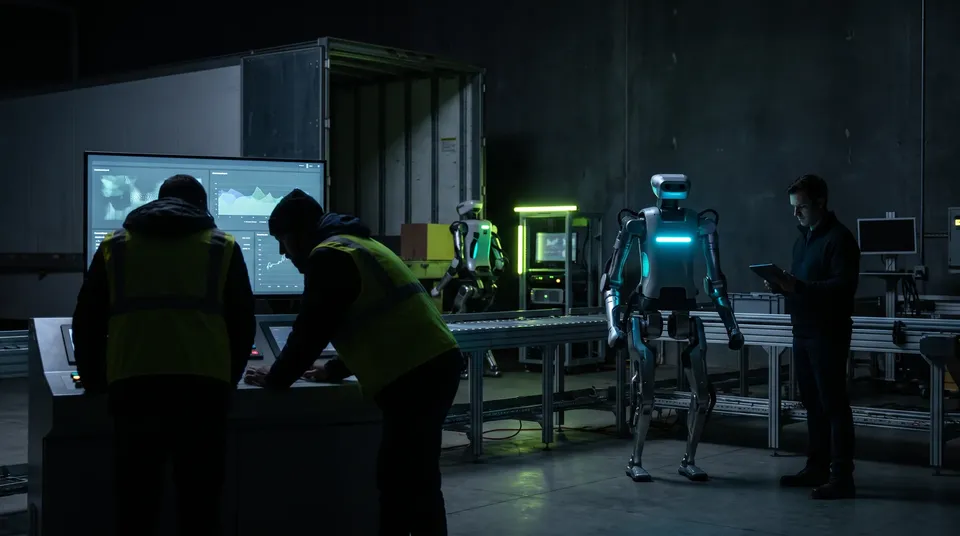
Neura Robotics and E.ON are deploying humanoid robots to German energy infrastructure, marking the first commercial partnership for physical AI in grid maintenance.
I'd Skip the Hype and Look at the Hazards First
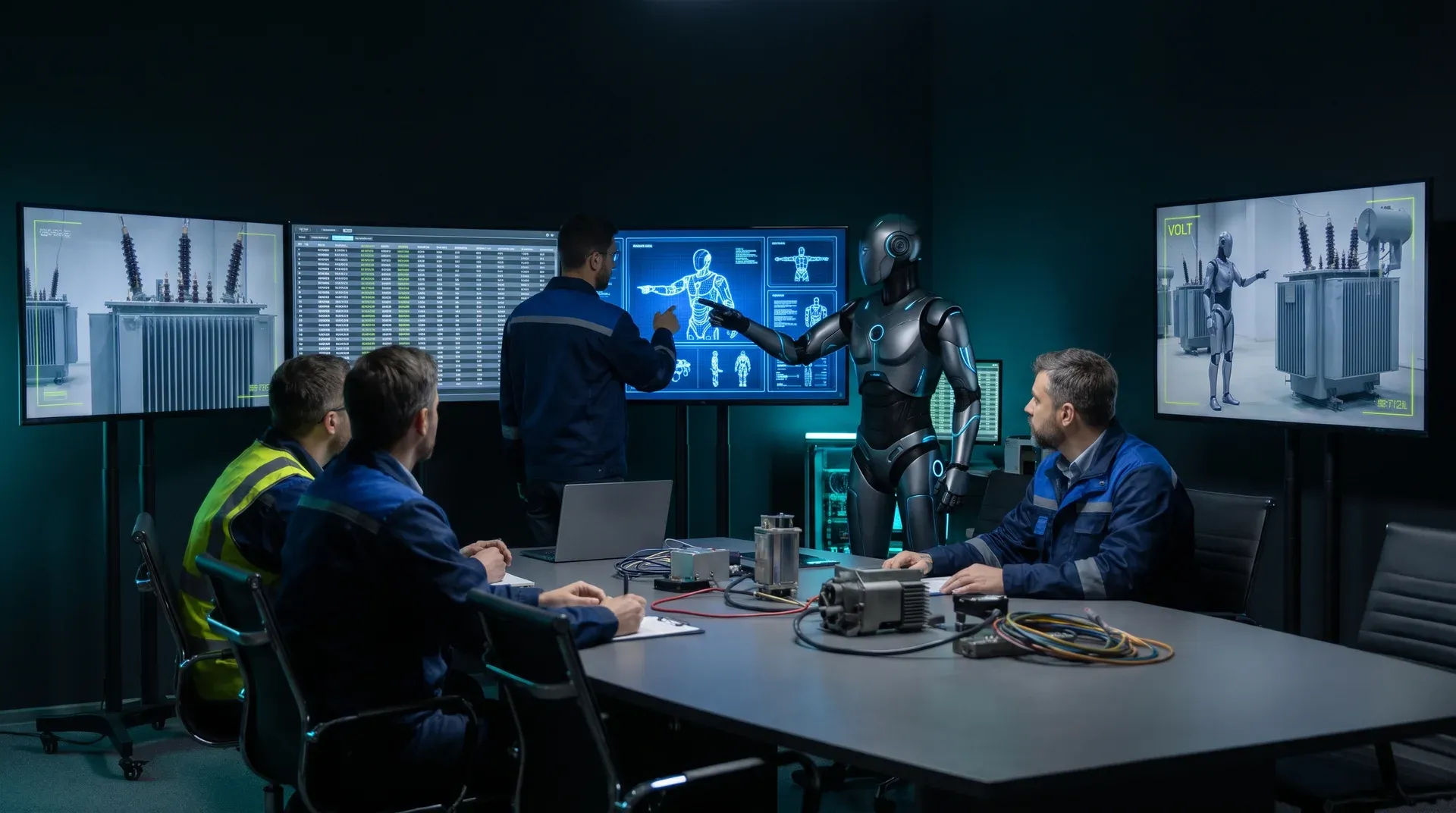
I read the Neura-E.ON-enviaM announcement and my first thought wasn't about the robots—it was about the substations. Energy grid maintenance is one of the few industries where workers still climb ladders near live transformers and crawl into confined spaces with energized equipment. If humanoids can reduce that exposure, the conversation changes from "cool tech" to "does it actually keep people safe?"
The partnership is real, not a research demo. That matters. It means someone is betting commercial money on this working in production environments, not just in a lab. But I'm skeptical of the framing that these robots are ready for chaotic field conditions. They're not. They work in structured spaces with predictable layouts, and energy substations are among the more structured environments you'll find.
What I'd Test Before Buying
If I were running a utility and this caught my attention, I wouldn't start with a purchase order. I'd start with a hazard map. Pull your incident reports from the last three years. Where do technicians get hurt? Which sites require bucket trucks and confined space permits? Those are your pilot candidates—not because the robots are good at those tasks yet, but because the value of removing human exposure is highest there.
Then I'd ask Neura for one thing: a demo in my substation, not theirs. Let them run their humanoid through the actual layout with the actual equipment you maintain. Watch where it struggles. Watch where it takes 20 minutes to do what a tech does in two. That's the data that matters.
The Numbers I'd Track
The article mentions reducing technician exposure hours by 60% across 12 sites in six months. That's illustrative, not a guarantee. Real deployments rarely hit targets that clean. I'd track three metrics from day one:
- Technician exposure hours per task (the safety win)
- Mean time to repair after robot-assisted inspection (the efficiency win)
- Robot uptime per week (the reliability reality check)
If uptime is below 80%, you're not saving time—you're adding a second maintenance burden. Most humanoid pilots I've seen struggle to hit that threshold in real environments, not staged demos.
Where This Actually Works Now
The honest answer: visual inspections and basic panel operations. Opening access doors, reading nameplates, capturing thermal imagery, transmitting it back to an operator. That's where humanoids earn their keep today. What they can't do yet is complex repairs, torqueing connections to spec, or troubleshooting unexpected failures. Those still need humans.
The ladder-climbing capability is genuinely useful. Wheeled robots can't do that, and drones are useless inside a substation enclosure. But battery life limits missions to 2-4 hours in most cases, and cold weather degrades performance further. Plan your deployments around shift windows, not 24/7 coverage.
What I'd Tell My Team
"Humanoid robots are coming to energy maintenance. They're not ready to replace anyone, but they're ready to reduce exposure. Start with the worst sites. Train your techs to work alongside them, not compete with them. And don't let the vendor sell you a robot—let them sell you a workflow that includes the robot, the charging station, the data integration, and the technician training."
The Neura-E.ON-enviaM partnership suggests the vendor model is shifting from research collaborations to commercial support. That's good for operators—it means someone else is carrying the integration risk. But it also means you need to be specific in your contract about uptime guarantees, support response times, and who pays when the robot breaks.
One Thing to Watch
enviaM is a German energy company. That's important because European grids are under pressure to modernize and decarbonize, and German regulation is strict about worker safety. If this works in enviaM's network, it'll work almost anywhere with similar standards. If it doesn't scale there, the whole category stalls.
I'd watch the next 12 months closely. Commercial deployments in real grids—not press releases—are the signal that this is moving from interesting to useful.
Follow Mat, subscribe to the Briefing, and for businesses: xheart.si / UNTHAI.
- Weight Space Programming: Editing Neural Networks Directly
- Google's D-Day Puts Decision Models in Every Developer's Too
- ChatGPT Wallet Lets AI Agents Make Real Purchases
- Using the Gemini Decisions API for Business Logic
- I Tried ChatGPT Business Agents for E-commerce
Frequently Asked Questions
What is humanoid robots energy grids?
Neura Robotics and E.ON are deploying humanoid robots to German energy infrastructure, marking the first commercial partnership for physical AI in grid maintenance. The collaboration with enviaM targets automation of inspection and repair tasks in hard-to-reach substations, reducing human risk and downtime. This deployment represents a shift from pilot to operational use in critical energy systems.
Who is humanoid robots energy grids best for?
It suits readers who want a practical, step-by-step path to the outcome described above rather than abstract theory. If you are starting from zero, follow the numbered steps in order and treat the caveats section as a checklist.
How long does humanoid robots energy grids take to work?
Timelines vary with execution, but the workflow in this guide is designed to produce a first measurable result within the timeframes stated in each step. Set expectations from the caveats section, not from hype.
Sources
- Neura Robotics partners with E.ON to bring humanoid robots to energy infrastructure, roboticsandautomationnews.com (accessed 16 Nov 2026)
- Why Skydio Built a Lopsided Drone, spectrum.ieee.org (accessed 16 Nov 2026)
- Avride reaches one million robot deliveries as network expands across US, roboticsandautomationnews.com (accessed 16 Nov 2026)