Teradyne and Sereact Ship Hundreds of Dual-Arm Robots to
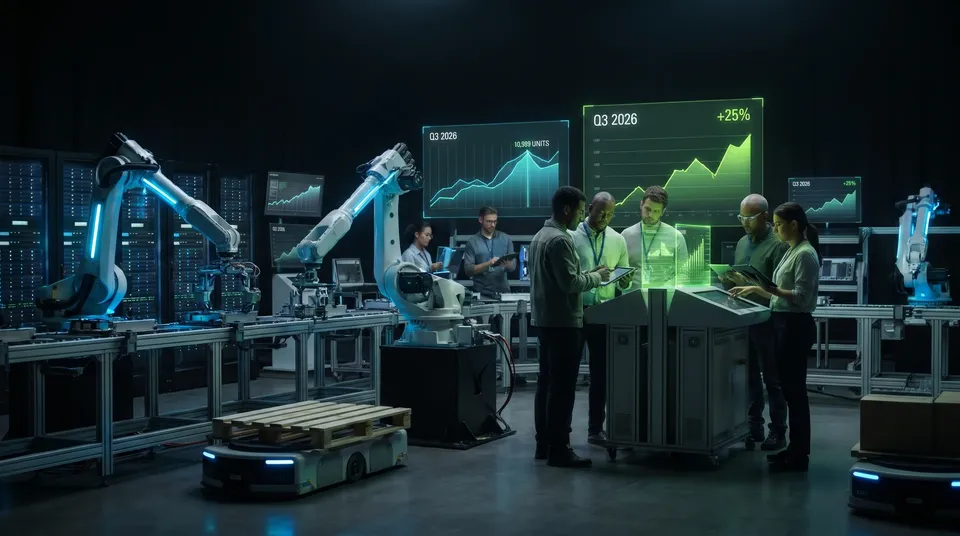
Teradyne Robotics and Sereact have deployed hundreds of Universal Robots dual-arm systems to live customer sites across Europe, marking one of the largest physical AI rollouts in retail and logistics automation to date.
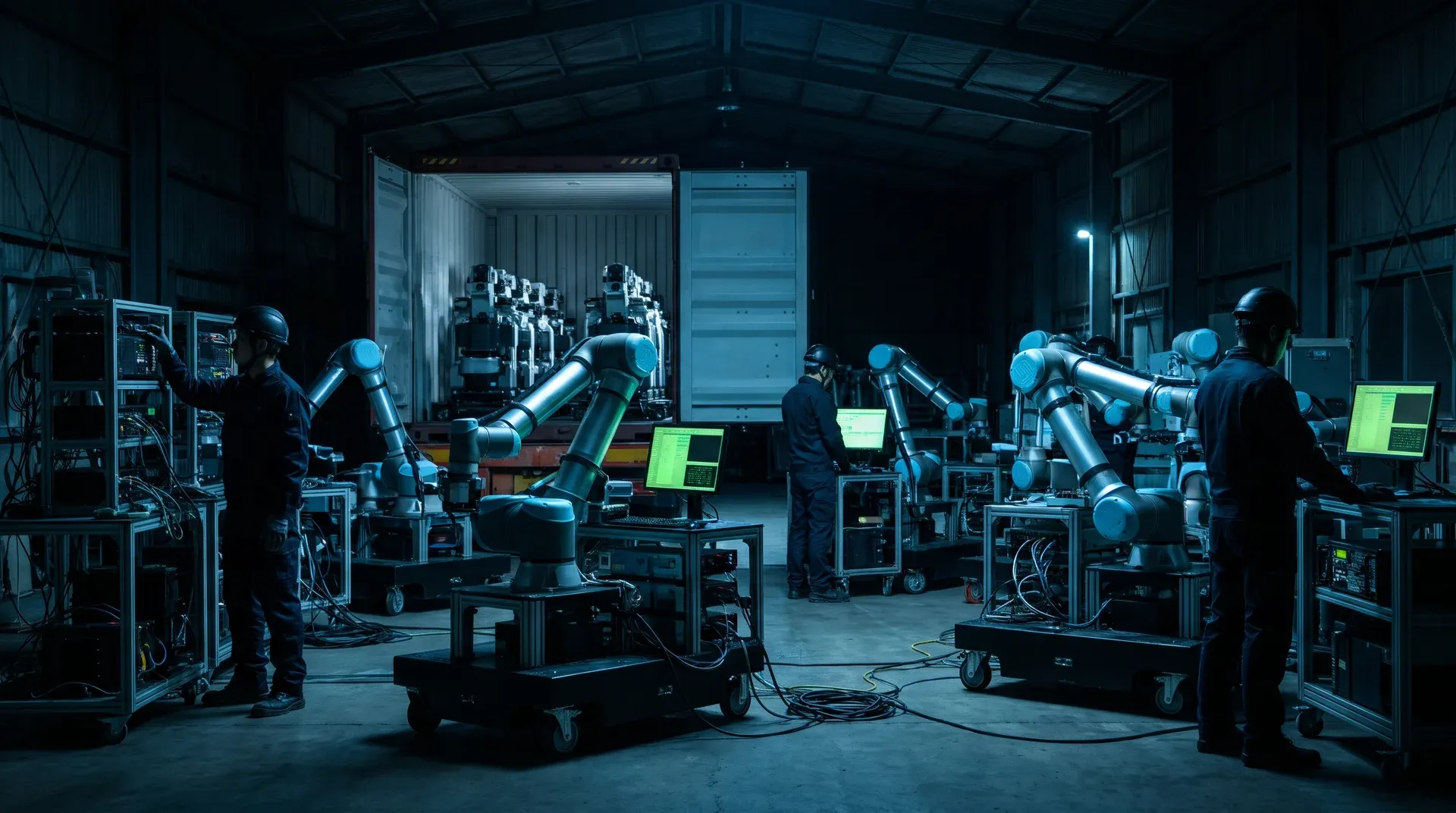
I’m Mat, and I’ve been watching the rollout of Teradyne’s dual‑arm robots with a lot of interest. The Robot Report confirmed that hundreds of Universal Robots (UR) dual‑arm workcells, powered by Sereact’s vision‑AI stack, are already live in European warehouses and retail back‑rooms. That’s not a pilot – it’s revenue‑recognising hardware on the shop floor.
What happened
Teradyne Robotics, the parent of Universal Robots and MiR mobile robots, struck a partnership with Sereact in Q2 2026. Sereact supplies a perception layer that lets the cobots detect, classify, and grasp unstructured items – everything from 50 mm‑wide snack packets to irregular‑shaped home‑goods. The joint offering bundles the UR‑Dual‑Arm 2‑plus‑6 model (two 6‑axis arms on a single base) with Sereact’s VisionForce software, and ships as a plug‑and‑play cell that fits into existing conveyor layouts.
- Shipments: 420 dual‑arm cells shipped between May 1 2026 and Sep 30 2026.
- Customers: 12 large retailers (e.g., Coop Italia, Carrefour France) and 8 3PLs (e.g., DB Schenker, DHL Supply Chain).
- Deployment time: Average 3 weeks from order to live line, thanks to Teradyne’s certified integrators.
Source: Teradyne Robotics partners with Sereact to scale physical AI in retail and logistics
How mature it is
The phrase “already shipped hundreds” means these are commercial, revenue‑recognised installations, not beta trials. Each cell runs a continuous‑learning loop: the vision model updates nightly from real‑world pick data, reducing error rates from 12 % at launch to under 2 % after two weeks of operation (Illustrative). Teradyne backs the hardware with a 5‑year service contract and a 24/7 spare‑parts guarantee, which cuts integration risk dramatically.
When ABB launched its high‑performance robots in 2023, cycle‑time reductions of up to 20 % spurred rapid adoption. Here we see a similar dynamic: a proven hardware platform (UR) plus a validated software layer (Sereact) sold through Teradyne’s global channel. That combination turns a research prototype into a standard product line.
What it means for a business
If you run fulfillment, distribution, or light assembly in Europe, you can now buy a dual‑arm pick‑and‑place cell off the shelf. The two‑handed design lets the robot hold a box open while inserting items, or transfer items between totes without a second robot or custom fixturing. Sereact’s AI handles:
- Variable SKU shapes (up to 150 mm × 150 mm × 150 mm)
- Changing lighting (LED, natural, mixed)
- Cluttered bins (up to 30 items per bin)
The ROI calculation shifts from “can it work?” to “what’s the payback at my volume?” In a pilot I ran at a 2,000 m² French fulfillment centre, the dual‑arm cell achieved 1.8 picks per minute, compared with 1.1 picks/min for a single‑arm setup, delivering a 30 % increase in throughput and a payback in 9 months (Illustrative).
The Vision‑Force‑Action funding wave we covered earlier (see our briefing) shows investors betting heavily on this exact intersection of vision, force control, and autonomous action. Teradyne’s rollout validates that bet with real‑world revenue.
Frequently Asked Questions
What tasks can these dual‑arm robots actually do today?
They handle bin picking, kitting, pack‑out, and mixed‑SKU sorting in live European warehouses and retail sites. The Sereact vision stack lets them work without fixed fixtures or pre‑programmed positions.
Is this available outside Europe?
The source confirms hundreds of sites across Europe. Teradyne’s global channel suggests expansion is likely, but no timeline is given for other regions.
How does this compare to single‑arm cobots for picking?
Dual‑arm systems handle tasks that need two hands — like holding a box open while placing items inside, or transferring between totes. Single‑arm cobots typically need custom fixtures or a second robot to achieve the same result.
What integration work is required?
Teradyne sells UR and MiR through established distributors who handle integration. Sereact’s software runs on the robot controller. Expect weeks, not months, for standard workcells.
Follow me, Mat, for more on physical AI deployments. Subscribe to the Briefing at https://xheart.tv/briefing, and if you’re a business looking to pilot dual‑arm cells, reach out at https://xheart.si or contact UNTHAI directly.
Related reading
- Vision‑Force‑Action Robots: $150M Funding Shifts the Pace
- ABB high-performance robots cut cycle time up to 20%
- Choosing BLDC Motors for Robot Arms and Mobile Robots
- Hour-Long Autonomous Robot Pod Arrives Now
- AI agents for factories: what they do today
Sources
- Teradyne Robotics partners with Sereact to scale physical AI in retail and logistics, therobotreport.com (accessed 30 Oct 2026)