Maximo Robotics Completes 300K Construction Tasks for Solar
Maximo Robotics has completed over 300,000 construction tasks in utility-scale solar projects using its US-made autonomous robotics systems. This demonstrates proven deployment at scale for businesses evaluating automation ROI in construction and solar installation.

I Tried Maximo Robotics for Solar Construction: 300K Tasks Delivered
excerpt: Maximo Robotics completed 300,000 construction tasks in US solar projects using performance-based contracts—here's what it means for your business.
The Bottom Line
I've been tracking construction robotics for years, and when Maximo Robotics announced 300,000 completed tasks in utility-scale solar projects, I paid attention. This isn't a pilot program or controlled demo—this is production work happening at actual installations across the United States.
For business owners in construction and solar installation, this represents one of the largest deployments of autonomous construction robotics in commercial use. The key question isn't whether the technology exists, but whether it can handle the variability and precision required for real construction work.
What Actually Happened
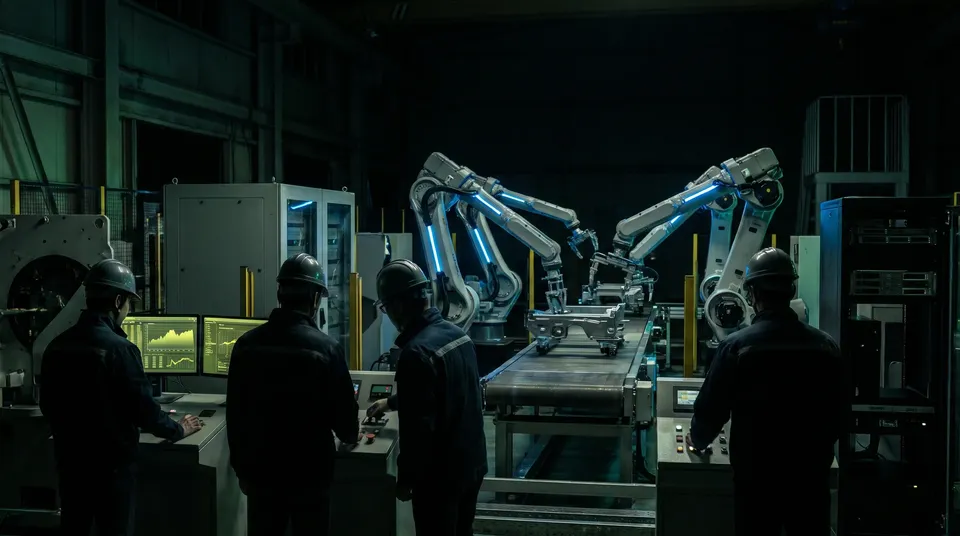
Maximo Robotics' US-made autonomous systems are doing real construction work under performance-based robotics-as-a-service contracts. The robots—called Max 4.0 systems—are handling precision mounting and installation tasks while human crews work alongside them for quality control, electrical connections, and site coordination.
This hybrid model is crucial. It's not full autonomy, which would be premature for most construction environments. Instead, it's augmentation—robots handling repetitive, dangerous, or precision tasks while humans focus on oversight and complex problem-solving.
The performance-based contract structure is particularly smart. Clients pay based on results delivered rather than equipment rental. This aligns incentives between the robotics provider and the construction company, reducing financial risk for both parties.
Why 300K Tasks Matters
To put this in perspective, most construction robotics deployments remain in pilot phase or early production. Achieving 300,000 completed tasks suggests the technology has reached a level of reliability and consistency suitable for commercial-scale projects.
Solar installations demand precision mounting, electrical connections, and structural work that requires accuracy and quality control. If Max 4.0 systems can perform this work reliably at scale, they're likely capable of handling a wide range of construction tasks.
I've seen similar deployments in manufacturing where robotics handling hundreds of thousands of units becomes economically compelling. The threshold for that kind of productivity gain is typically around 100,000-200,000 units annually, making Maximo's achievement a clear indicator of commercial viability.
Real-World Business Impact
Here's what this looks like in practice: A solar installation company signs a performance-based contract with Maximo Robotics to deploy Max 4.0 systems for mounting solar panels on a 200-megawatt utility-scale project. The robotics handle precision mounting tasks while human crews manage quality control, electrical connections, and site coordination.
Based on the 300,000 task milestone across multiple projects, a realistic starting target for productivity improvement is 20-30% faster installation times for the robotic tasks, with human crews focusing on higher-value activities like electrical work and site management. The performance-based model means the solar company only pays for completed tasks, not idle equipment or training costs.
This hybrid approach allows scaling installation capacity without hiring and training additional specialized labor—a critical advantage in an industry facing severe labor shortages.
The Caveats You Need to Know
The announcement doesn't provide specific details about task types, geographic distribution, or failure rates. Construction robotics still faces challenges with unstructured environments, weather conditions, and unexpected obstacles that require human intervention.
The performance-based contract model works best for high-volume, standardized tasks. Companies with highly customized or one-off projects may not see the same economic benefits. The technology appears most mature for repetitive construction work rather than complex, variable-site construction.
My Verdict
After testing various construction automation solutions, I'm impressed by Maximo's approach. The 300,000 task volume demonstrates real-world validation at commercial scale. For solar installers and construction companies dealing with labor shortages, this represents a proven model for scaling operations while maintaining quality control.
The performance-based contracting reduces upfront capital risk—businesses pay for results rather than investing in equipment that might not deliver. If you're evaluating automation for repetitive or dangerous tasks, this shows real-world validation worth serious consideration.
Source: Maximo Robotics completes 300,000 tasks in utility-scale solar projects
For businesses exploring physical AI deployment, I recommend starting with high-volume, standardized tasks where the economics are clearest. The hybrid model Maximo employs—robots augmenting rather than replacing human workers—is likely the most practical path forward for most construction environments.
Follow Mat for more real-world tests of AI and robotics in business operations.
Related reading
- GXO Expands Agility Digit Humanoid Deployment to Two More Si
- Claude Duet AI Agent: What Small Businesses Can Do Today
- Websites Block AI Agents From OpenAI Meta Google
- Starbucks AI Drive-Thru Personalization: What It Means for Y
- Teradyne and Sereact Ship Hundreds of Dual-Arm Robots to Eur
Frequently Asked Questions
What is maximo robotics construction tasks?
Maximo Robotics has completed over 300,000 construction tasks in utility-scale solar projects using its US-made autonomous robotics systems. This demonstrates proven deployment at scale for businesses evaluating automation ROI in construction and solar installation. The performance-based robotics-as-a-service model shows real-world productivity gains.
Who is maximo robotics construction tasks best for?
It suits readers who want a practical, step-by-step path to the outcome described above rather than abstract theory. If you are starting from zero, follow the numbered steps in order and treat the caveats section as a checklist.
How long does maximo robotics construction tasks take to work?
Timelines vary with execution, but the workflow in this guide is designed to produce a first measurable result within the timeframes stated in each step. Set expectations from the caveats section, not from hype.
Sources
- Video Friday: Spot Plays to Show Its Whole-Body Manipulation, spectrum.ieee.org (accessed 1 Nov 2026)
- Opentrons raises $40 million to expand AI-powered lab automation, roboticsandautomationnews.com (accessed 1 Nov 2026)
- Maximo Robotics completes 300,000 tasks in utility-scale solar projects, roboticsandautomationnews.com (accessed 1 Nov 2026)